
Who this fits
Three houses that usually pencil out.
If yours looks like one of these, a design is worth having in hand.
A bill that keeps climbing
Summer statements that land higher every year are the clearest signal there is. The meter is already telling you what the roof could be carrying instead.
A roof with life left in it
Composition, tile or metal in sound condition gives an array a clean 25 years. We look at the roof before we draw a single module.
Load you are about to add
A second EV, a shop out back, a heat pump, a bedroom that becomes an office. We design for the house you are heading toward, not last year’s average.
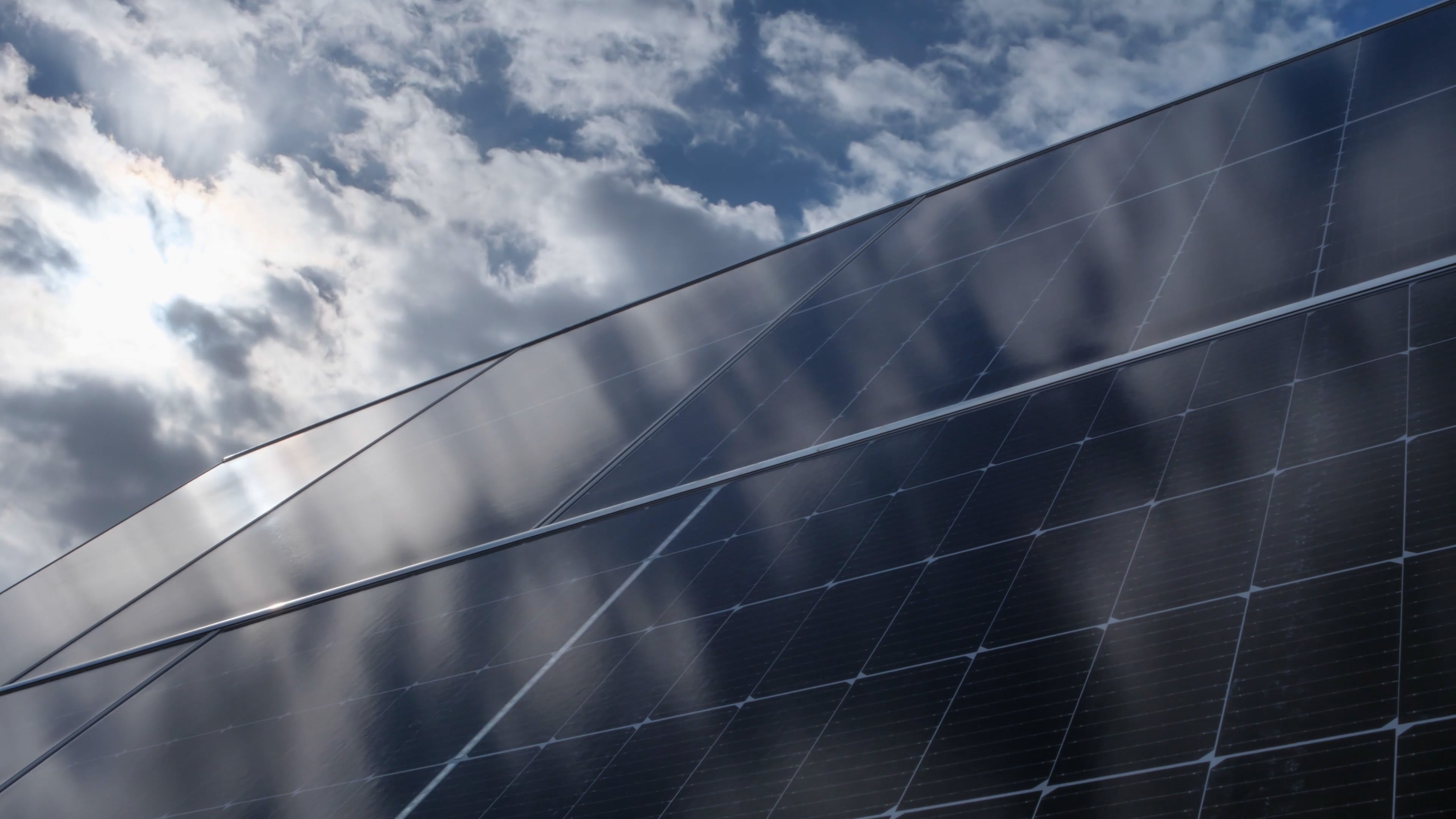
Sun Worx installation
What is included
Everything between your bill and permission to operate.
One scope, one crew, one number to call afterward.
Twelve months read line by line
We pull a full year of usage, not a seasonal snapshot, and separate what the house needs from what a hot August did to it.
An engineered layout
Roof planes, azimuth, shade at 9 a.m. and 5 p.m., rafter spacing and setbacks — drawn to the standard your plan checker expects.
Premium panels
Premium panels backed by a 25-year manufacturer warranty, picked for real-world output and durability rather than the month’s cheapest pallet.
Enphase microinverters
One microinverter per panel: production visible module by module, rapid shutdown built in, and no single box that can take the whole array offline.
Permits and interconnection
The building permit and the utility application both leave our desk, and we answer the corrections when they come back.
Monitoring and a handover
The app is set up with you standing there, the disconnects are labelled, and you leave knowing which breaker is which.
How it works
Six stages, start to sunlight.
Most of the calendar is city and utility review. The work on your property is short.
- 01
Bills and a look at the roof
We read the usage, walk the attic and the roof where we can, and check the main panel for room before anything gets promised.
- 02
Design and engineering
Your layout, string-free wiring plan, production estimate and structural detail come back as one package you can actually read.
- 03
Paperwork, in plain words
Financing available on approved credit. We will help you find a monthly payment that fits, and walk you through your options at your free quote — no pressure.
- 04
Permit and utility filing
Plans go to the building department and the interconnection application goes to your utility on the same day, so the two clocks run together.
- 05
Install
Mounts and flashing first, rail and modules next, conduit and microinverters after, then a labelled shutdown at the meter. Most homes are one or two days.
- 06
Inspection and switch-on
City inspection, then permission to operate from the utility. We turn the system up with you and watch the first production come in.
Equipment and warranty
What goes on the roof, and what stands behind it.
All electrical and roofing work is performed by appropriately licensed professionals.
Money and rules
What is still on the table in 2026.
The federal 30% credit for purchased home solar ended on December 31, 2025. Some third-party-owned arrangements — a lease or a PPA — can still apply a federal credit through 2027. California’s property tax exclusion for active solar energy systems means a new array does not reassess the house. And because SMUD, PG&E and the municipal utilities each value exported power differently, the design decision that matters most is how much of your own production you keep.
Program rules move and each one has its own eligibility test. At your free quote we go through the ones your address actually qualifies for — nothing hypothetical.
Questions
What homeowners ask before they sign.
How long does the whole thing take?
The array goes up in a day or two. Plan check and utility approval are the long poles, and those clocks belong to the city and the utility — we file early and chase them so they run in parallel.
Will panels fit my roof shape?
Usually. Hips, dormers and skylights cost usable area, not the project. If the south and west planes are tight we show you what the east plane really produces before you decide.
What happens on a cloudy week?
Production drops, the house pulls the difference from the grid, and the annual picture is what matters. We size to a year of usage, not to a good week in June.
Do I need to be home during install?
For the start and the finish. We need access to the main panel and a five-minute conversation at the end so you know what was labelled and why.
Can I add a battery later?
Yes, and microinverters make that easier than a string system does. If backup is likely within a few years, tell us now and we leave the room for it.
Related pages worth a look before you decide.
Let us size it properly.
Your address, your utility and roughly what August costs you. A design comes back, not a sales script.
Based in Sacramento, serving Northern California. Call or text 510-773-1922 or email [email protected].